


In the fast-paced and ever-evolving Kenyan tech landscape, the battle for smartphone dominance is no longer a two-horse race between the established giants. A new wave of competition is challenging the status quo, offering consumers compelling alternatives that excel in specific areas. This year, the showdown is particularly intriguing with the arrival of two formidable contenders: the Google Pixel 9 Pro and the OnePlus 13.
For the savvy Kenyan consumer, this choice is not just about brand loyalty; it’s about finding a device that perfectly balances innovative features, a seamless user experience, and practical value. This comprehensive review will dissect both phones, highlighting their unique strengths and weaknesses, and ultimately help you decide which flagship is the right fit for your mobile lifestyle.
I. Design and Build Quality: A Tale of Two Aesthetics
In a market where a phone’s appearance is often a reflection of its owner’s style, design is a key selling point. The Pixel 9 Pro and the OnePlus 13 offer two distinct design philosophies.
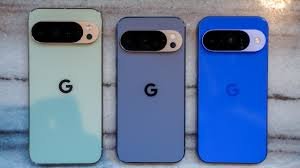
Google Pixel 9 Pro: Google has refined its signature look with the Pixel 9 Pro. The “camera bar” now features a new, more integrated design with a polished metal frame, giving it a premium feel. The phone is a compact flagship, with a 6.3-inch display, making it incredibly comfortable for one-handed use – a significant advantage for the daily hustle and bustle in Kenyan cities. The matte glass back provides a good grip and is less prone to fingerprints. The device boasts an IP68 rating, ensuring it can withstand splashes and dust, a practical necessity in the varied Kenyan environment.
OnePlus 13: The OnePlus 13 continues the company’s trend of bold, eye-catching design. It features a larger, 6.82-inch display, a glass back, and a distinctive, circular camera module. The phone is a larger device, offering a more expansive viewing experience. It also boasts an impressive IP69 rating, which provides an extra layer of durability against high-pressure water and steam, a unique feature that gives users peace of mind in challenging conditions. The phone’s quad-curved design gives it a luxurious and ergonomic feel, even with its larger size.
Clear Unique Comparison:
- Google Pixel 9 Pro’s Advantage: Its compact form factor makes it the ideal choice for users in Kenya who prioritize one-handed use, portability, and a subtle yet elegant design. The Pixel’s iconic camera bar and smaller size set it apart from the sea of large-screen phones.
- OnePlus 13’s Advantage: The IP69 rating gives the OnePlus 13 a tangible durability advantage. This is a unique feature that guarantees protection against high-pressure water jets and steam, a level of ruggedness that is not standard on most flagships.
II. Display: A Feast for the Eyes
The display is the window to the digital world. Both phones feature stunning OLED panels, but with subtle differences in what they offer.
Google Pixel 9 Pro: The Pixel 9 Pro features a 6.3-inch Super Actua LTPO OLED display with a 1-120Hz adaptive refresh rate. It’s an incredibly bright and color-accurate display, with a peak brightness of up to 3000 nits. This makes it exceptionally usable even under direct Kenyan sunlight, a critical factor for a market where mobile outdoor use is common. The screen is protected by Corning Gorilla Glass Victus 2, offering good durability.
OnePlus 13: The OnePlus 13 has a larger 6.82-inch 2K ProXDR LTPO AMOLED display. It boasts a slightly lower but still very impressive peak brightness. A key unique feature is its “Aqua Touch 2.0” technology, which ensures the display remains highly responsive and accurate even when wet. This is a practical and highly useful feature, especially during the rainy seasons in Kenya or for users who often handle their phones with damp hands. The display is also protected by a super-ceramic glass called Crystal Shield, which is noted for its high resistance to scratches.
Clear Unique Comparison:
- Google Pixel 9 Pro’s Advantage: The display’s exceptional brightness of up to 3000 nits is a standout feature, making it the superior choice for visibility and outdoor use under the fierce Kenyan sun.
- OnePlus 13’s Advantage: Aqua Touch 2.0 is a unique, practical technology that makes the OnePlus 13’s display exceptionally functional in wet conditions. For Kenyans, this means a better user experience, whether you’re navigating in the rain or using your phone after washing your hands.
III. Performance: Power and Efficiency
The heart of any smartphone is its processor. The Pixel and OnePlus take two very different approaches to delivering flagship performance.
Google Pixel 9 Pro: The Pixel 9 Pro is powered by Google’s own Tensor G4 chip. The Tensor series is not designed for raw benchmark-topping performance. Instead, it is highly optimized for AI and machine learning tasks. This is a significant advantage for the Pixel, as it powers unique features like real-time transcription, advanced photography tools, and a more context-aware Google Assistant. The seamless integration of the chip with Google’s software ensures a lag-free user experience, even if it doesn’t win in raw speed tests.
OnePlus 13: The OnePlus 13 is powered by the top-tier Qualcomm Snapdragon 8 Elite Mobile Platform. This processor is a performance powerhouse, designed for raw speed and efficiency. It excels in tasks like high-end mobile gaming and intensive multitasking. The OnePlus 13 often comes with more RAM (up to 24GB in some configurations), giving it a clear advantage in keeping a large number of apps open in the background without a hiccup.
Clear Unique Comparison:
- Google Pixel 9 Pro’s Advantage: The Tensor G4 chip, with its deep AI integration, provides a more “intelligent” smartphone experience. Features like Gemini Live, which can transcribe conversations in real-time, and advanced on-device processing for photos, are unique to the Pixel and provide a different kind of power.
- OnePlus 13’s Advantage: The Snapdragon 8 Elite processor and a massive amount of RAM make the OnePlus 13 a performance monster. It is the superior choice for mobile gamers and users who demand the absolute fastest speed and smoothest multitasking experience.
IV. Camera System: The Art of Mobile Photography
The camera is a major deciding factor for Kenyan consumers, who use their phones to capture everything from vibrant street life to important family gatherings. Both phones feature incredible camera systems, but their approach to photography is different.
Google Pixel 9 Pro: Google’s strength has always been in computational photography, where software and AI enhance the images. The Pixel 9 Pro’s triple-camera system features a 50MP main sensor, a 48MP ultrawide with macro focus, and a 48MP periscope telephoto lens with 5x optical zoom. The software-based features are its key unique selling points. Magic Editor and Best Take are powerful AI tools that allow users to easily make complex edits or combine multiple photos to create the perfect shot, with just a few taps. Its video recording is also exceptional, with features like Video Boost that improve color, lighting, and stabilization.
OnePlus 13: OnePlus has a strong partnership with Hasselblad, a legendary camera manufacturer, and this collaboration shines through in the OnePlus 13’s camera. The phone features a versatile triple 50MP camera system. The Hasselblad partnership gives its photos a unique color profile and a “pro” mode that mimics the controls of a professional camera. A particularly unique feature is XPan Mode, which captures ultra-wide panoramic images in a single shot, providing a distinct, cinematic look. The phone also excels in portrait photography, with a dedicated telephoto lens designed to create beautiful bokeh effects.
Clear Unique Comparison:
- Google Pixel 9 Pro’s Advantage: The Pixel’s AI-powered camera features like Magic Editor and Best Take offer a user-friendly and incredibly powerful editing experience that makes anyone feel like a pro photographer. Its computational photography consistently delivers stunning results with minimal effort.
- OnePlus 13’s Advantage: The Hasselblad partnership and XPan Mode give the OnePlus 13 a unique artistic flair. For users who want more creative control and a distinct color science in their photos, the OnePlus 13 offers a photography experience that feels more authentic and professional.
V. Battery Life and Charging: The Power Play
For Kenyans, who are always on the move and may not always have access to a power outlet, battery life and fast charging are crucial.
Google Pixel 9 Pro: The Pixel 9 Pro has a 4700mAh battery. While not the largest, Google’s software optimizations ensure it provides a reliable all-day battery life for most users. The charging speed, however, is a weak point. It supports a modest 27W wired charging and 12W wireless charging. This is significantly slower than the competition and can be a deal-breaker for users who need a quick top-up.
OnePlus 13: The OnePlus 13 packs a massive 6000mAh battery. This, combined with its efficient processor, gives it a clear advantage in terms of overall battery longevity. The most significant unique feature is its charging technology. It supports a blistering 100W wired charging, which can take the phone from 1% to 100% in a little over 30 minutes. It also offers 50W wireless charging, which is faster than the Pixel’s wired charging. This technology is a game-changer for anyone with a busy lifestyle.
Clear Unique Comparison:
- Google Pixel 9 Pro’s Advantage: While slower, the Pixel’s charging is highly optimized for battery health, ensuring the device’s battery remains in good condition for its full lifespan.
- OnePlus 13’s Advantage: The 100W SUPERVOOC wired charging is a clear, undeniable advantage. The ability to fully charge a massive battery in under an hour is a convenience that the Pixel simply cannot match.
VI. Software Ecosystem: Pure Android vs. Custom OxygenOS
The user experience is shaped by the software, and here, the two phones represent the two main camps in the Android world.
Google Pixel 9 Pro: The Pixel 9 Pro runs on stock Android 15, providing the purest and most direct Android experience. It’s free of bloatware and comes with exclusive “Pixel Drop” features that introduce new functionalities regularly. Google promises up to seven years of major Android and security updates, which is the best in the industry. This long-term support guarantees that your device will remain relevant and secure for many years to come, which is a major value proposition for the Kenyan market.
OnePlus 13: The OnePlus 13 runs on OxygenOS 15, a customized version of Android. OxygenOS is known for being clean, fast, and highly customizable. It adds useful features and a responsive UI without the heavy-handed approach of some other manufacturers. OnePlus also offers long-term software support, though it’s not as extensive as Google’s. OxygenOS includes features like a dedicated Alert Slider, a physical switch on the side of the phone that allows you to instantly toggle between silent, vibrate, and ring modes, a simple but incredibly useful feature.
Clear Unique Comparison:
- Google Pixel 9 Pro’s Advantage: Unbeatable seven years of software and security updates directly from Google. This is a peace-of-mind feature that no other Android phone can match, ensuring your phone’s longevity and security for an extended period.
- OnePlus 13’s Advantage: The physical Alert Slider is a simple but brilliant ergonomic feature that gives users a quick and intuitive way to manage notifications without even looking at the screen.
VII. Price and Availability in the Kenyan Market
Price is a major consideration, and these phones fall into the premium but not ultra-premium category, making them attractive to a wider range of high-end users.
Google Pixel 9 Pro: As of late 2025, the Google Pixel 9 Pro has a starting price of approximately KSh 125,000 for the base model. Its availability in Kenya can be somewhat limited, as it is not officially sold by Google. It is mainly available through local online tech stores and independent importers, which can sometimes affect warranty and support.
OnePlus 13: The OnePlus 13 is generally more competitively priced, with a starting price around KSh 95,000 to KSh 110,000. It has a stronger unofficial presence in the Kenyan market, with a wider range of retailers and importers stocking the device. This wider availability, combined with its aggressive pricing, makes it a more accessible flagship for a larger segment of the Kenyan consumer base.
Clear Unique Comparison:
- Google Pixel 9 Pro’s Advantage: Due to its close ties to Google and its strong brand reputation, the Pixel 9 Pro holds a strong resale value, a significant factor for those who plan to upgrade frequently.
- OnePlus 13’s Advantage: The more aggressive pricing and wider, more established retail presence in the Kenyan market make the OnePlus 13 a more budget-friendly choice in the flagship category.
VIII. Conclusion: The Final Verdict
The Google Pixel 9 Pro and the OnePlus 13 are both exceptional smartphones that offer a compelling and unique flagship experience. Your choice ultimately depends on what you value most in a device.
Choose the Google Pixel 9 Pro if:
- You prioritize the ultimate software experience with a clean, stock Android interface and the assurance of seven years of updates.
- You are a photography enthusiast who wants powerful, user-friendly AI-powered camera features that make every shot a masterpiece.
- You prefer a compact and elegant design that is easy to handle with one hand.
- You value the deep AI integration and smart features powered by the Tensor G4 chip.
Choose the OnePlus 13 if:
- You demand the very best in raw performance and speed, for a flawless gaming and multitasking experience.
- You need a smartphone that can charge from empty to full in a flash, thanks to its 100W SUPERVOOC charging.
- You want a camera with a distinct artistic style, thanks to the Hasselblad partnership and XPan Mode.
- You appreciate unique hardware features like a highly durable IP69 rating and the incredibly useful Alert Slider.
The Kenyan market has the luxury of choosing between two of the most innovative and powerful Android phones on the planet. The Pixel 9 Pro offers a “smarter” experience, built around intelligent software and a fantastic camera. The OnePlus 13 offers a “faster” experience, built around raw power, incredible charging, and a focus on user-centric hardware. Whichever you choose, you’re getting a phone that is at the cutting edge of mobile technology.