



Introduction to Samsung S21 Ultra and Vivo V60 Series
The smartphone market has evolved significantly, with manufacturers introducing cutting-edge technology to enhance user experience. Among the notable contenders in this landscape are the Samsung S21 Ultra and the Vivo V60 series. Each model showcases a unique blend of features aimed at meeting the demands of modern users.
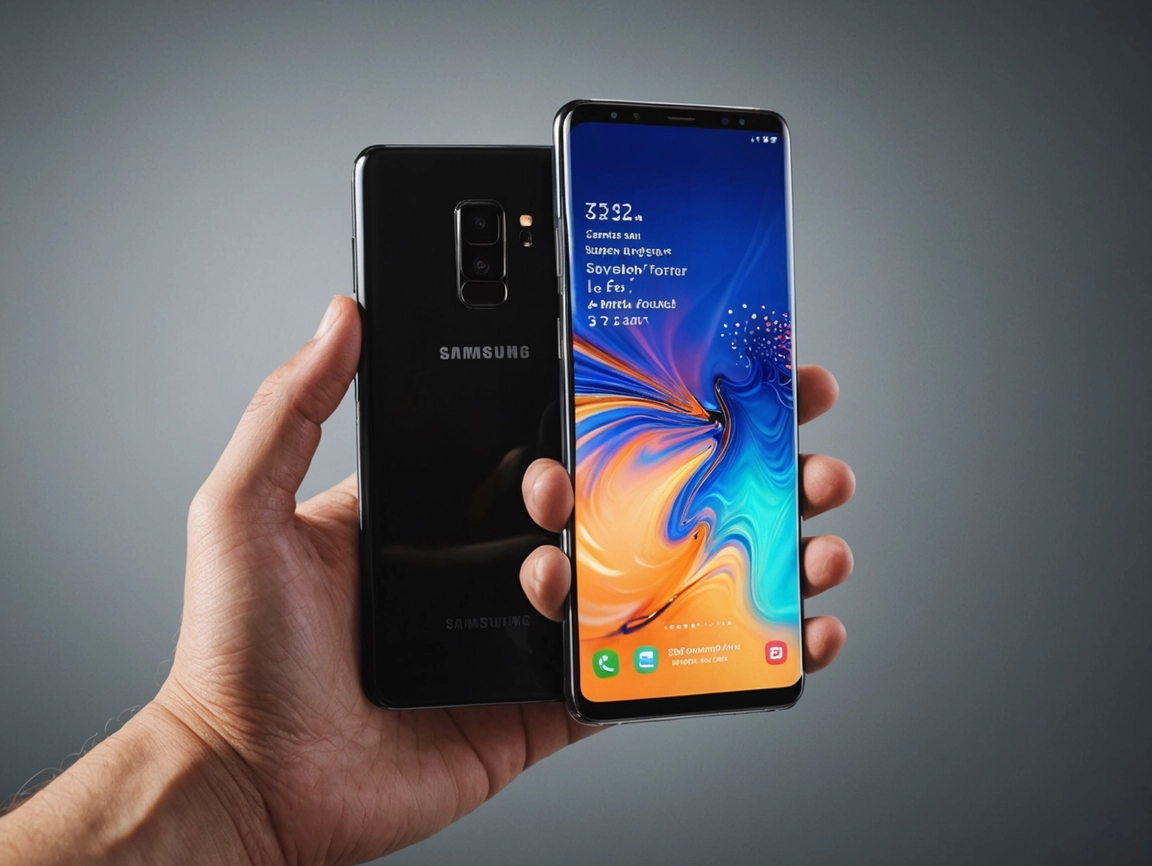
The Samsung S21 Ultra stands out as a flagship device, reputed for its advanced specifications and premium design. It features a stunning 6.8-inch Dynamic AMOLED 2X display, providing vibrant colors and deep contrasts. The power of the S21 Ultra is driven by the latest Snapdragon or Exynos processors, depending on the region, combined with up to 16GB of RAM. This exceptional performance positions the S21 Ultra as a top choice for multitasking and demanding applications. Furthermore, the device supports a versatile camera system with an impressive 108 MP main shooter, catering to photography enthusiasts.
In contrast, Vivo’s V60 and V60 Lite models offer a different approach focusing on delivering value without compromising on essential features. The V60 series is characterized by its balance of performance and affordability, appealing to a broader audience. The devices incorporate a 6.44-inch AMOLED display, ensuring a vibrant viewing experience, though slightly smaller than the S21 Ultra. Both V60 models boast competitive processors, generally offering sufficient power for everyday tasks, apps, and moderate gaming. However, they are not positioned as direct rivals to flagship models like the S21 Ultra.
Ultimately, a critical aspect of user experience in smartphones is battery performance. With heavy reliance on mobile devices for various functions, including communication, entertainment, and work, understanding the battery capabilities of the Samsung S21 Ultra and the Vivo V60 series is paramount. This sets the scene for an in-depth analysis of how these devices fare in terms of battery life and longevity.
Battery Specifications and Performance of Samsung S21 Ultra
The Samsung S21 Ultra is equipped with a robust battery capacity of 5,000 mAh, designed to cater to the demands of its high-performance specifications. This substantial battery allows for extensive usage across multiple scenarios. When considering everyday tasks such as web browsing, social media use, and standard calls, users can expect impressive longevity, often exceeding a full day’s use on a single charge.
Charging speeds are another highlight of the S21 Ultra’s battery performance. It supports both fast wired charging at 25W and fast wireless charging capabilities. In addition, the device features wireless power share, allowing users to charge other Qi-enabled devices conveniently. These charging options can significantly reduce downtime for users on the go, providing flexibility in various situations.
To further evaluate battery performance, it’s essential to look at screen-on time. Under typical usage patterns, the S21 Ultra achieves an average screen-on time of around 8 to 10 hours, which may vary based on adherence to adaptive settings and display brightness. However, during intensive tasks such as gaming and video streaming, the battery efficiency is tested more rigorously. Users have reported that gaming sessions can drain the battery notably faster, particularly at higher graphics settings or with a 120Hz refresh rate, where power consumption increases. Streaming high-definition content similarly impacts battery life, although Samsung’s optimization strategies help mitigate excessive drainage.
User feedback frequently applauds the S21 Ultra’s battery management system, which allows for moderate control over background processes and app usage. These user experiences collectively indicate that while heavy users may need to charge multiple times daily, the Samsung S21 Ultra’s battery is constructed to meet the needs of varied consumer behaviors across both standard and intensive tasks.
Comparative Analysis of Vivo V60 and V60 Lite Battery Performance
The Vivo V60 and V60 Lite are two highly regarded smartphones, both equipped with commendable battery capabilities. The Vivo V60 features a robust 4,200 mAh battery, while the V60 Lite comes with a slightly less-powerful 4,100 mAh battery. Both devices are engineered to deliver exceptional performance, yet they cater to slightly different user needs. When comparing these models to the Samsung S21 Ultra, which boasts a larger 5,000 mAh battery, it is essential to analyze how the Vivo devices manage power efficiency and performance during various tasks.
Charging technology plays a crucial role in the overall battery performance of a smartphone. The Vivo V60 supports 33W FlashCharge, allowing users to significantly recharge their devices in a minimal amount of time. Similarly, the V60 Lite also supports 18W fast charging. In contrast, the Samsung S21 Ultra features 25W fast charging capabilities. Although the Samsung phone has a larger battery, the faster charging technology of the Vivo handsets provides users with a competitive edge when time is limited, making them more suitable for users who prioritize quick recharges.
Real-world usage results reveal that the Vivo V60 can easily last an entire day under standard usage, including social media, video streaming, and web browsing. The V60 Lite, while slightly less robust, also offers reliable performance throughout the day, although heavy applications may reduce its overall battery life. Moreover, both Vivo devices have garnered positive reviews regarding their multitasking capabilities. User feedback suggests that they manage heavy applications smoothly without significantly draining the battery, which is commendable for devices in their category. Through expert analysis and real-world testing, it is evident that the Vivo V60 and V60 Lite excel in battery performance, effectively competing with leading smartphones, including the Samsung S21 Ultra.
Conclusion: Which Device Reigns Supreme in Battery Life?
In the competitive landscape of smartphones, battery life remains a critical aspect for consumers. The analysis of the Samsung S21 Ultra and the Vivo V60, including the V60 Lite, highlights significant differences in performance and features. The Samsung S21 Ultra impresses with its robust battery capacity of 5000mAh, accompanied by superior fast charging capabilities. Additionally, it leverages an adaptive refresh rate, which optimizes power consumption based on user activity. This results in prolonged usage times, making it particularly appealing for users who demand high performance from their devices.
On the other hand, the Vivo V60 and V60 Lite present admirable battery performance with their 4500mAh and 4300mAh batteries, respectively. While not as powerful as the S21 Ultra, both models still deliver commendable longevity under typical usage, supported by efficient software management that helps in conserving energy. Additionally, their mid-range price point makes them attractive for budget-conscious consumers who do not want to compromise on essential features.
When comparing these devices, it becomes evident that the choice ultimately hinges on user preferences. For those who engage in high-intensity activities like gaming or heavy multimedia usage, the Samsung S21 Ultra may come out as the preferred option, given its superior battery performance and variety of features. However, for users prioritizing cost-effectiveness without significantly sacrificing battery life, the Vivo V60 and V60 Lite serve as viable alternatives, offering sufficient power to last through daily tasks at a lower price point. Ultimately, consumers should assess their specific needs against the battery strengths and overall value presented by each device to make an informed decision.