



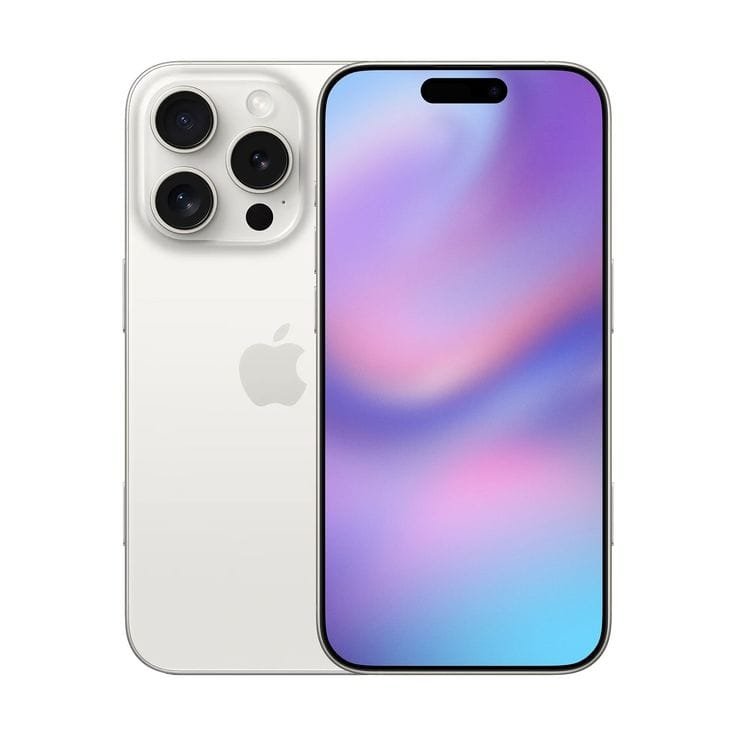
Welcome to Mobihub Electronics’ comprehensive comparison of two of the most anticipated smartphones of 2025: the Samsung Galaxy S25 and the Apple iPhone 16. These are the “standard” models, offering a taste of flagship features without the “Ultra” or “Pro” price tag. While both devices bring significant advancements, they approach the user experience from distinct angles.
It’s important to preface this review by stating that while some specifications and features are confirmed, a good portion of the information for the Samsung Galaxy S25 and iPhone 16 is based on credible leaks, industry predictions, and logical extrapolations from previous generations. We will highlight where information is confirmed versus where it is based on current expectations.
Design and Display: Compact Powerhouses
Both Samsung and Apple have meticulously crafted their baseline flagships to be premium, ergonomic, and visually striking, yet maintain a more compact form factor compared to their “Plus” or “Pro” counterparts.
Samsung Galaxy S25: Refined Aesthetics and Vibrant Visuals
The Samsung Galaxy S25 is expected to feature a 6.2-inch Dynamic AMOLED 2X display, making it a comfortable size for one-handed use while still offering an immersive viewing experience. The resolution is set at 2340 x 1080 (FHD+), resulting in a pixel density of approximately 416 pixels per inch (PPI). A key strength of Samsung’s display technology is its peak brightness, which is rumored to reach an impressive 2,600 nits, ensuring excellent visibility even under direct sunlight. The display maintains a 120Hz adaptive refresh rate, providing smooth scrolling and fluid animations, which Samsung refers to as “ProScaler” for intuitively boosting image quality.
In terms of build, the Galaxy S25 continues with a premium construction. It will likely feature Corning Gorilla Glass Victus 2 on both the front and back for enhanced durability against drops and scratches. The frame is expected to be made from “Armor Aluminum 2,” offering increased rigidity and resistance to bending. The phone’s dimensions are a compact 146.9 x 70.5 x 7.2 mm, and it weighs a mere 162g, making it one of the lightest flagships on the market. It maintains the IP68 dust and water resistance rating, capable of withstanding immersion in up to 1.5 meters of water for 30 minutes.
A subtle but important design element is the punch-hole cutout for the selfie camera, which is expected to be so small as to be “often unnoticeable,” maximizing screen real estate. The shift to more flexible OLED display panels in Samsung’s lineup is also rumored to enable even thinner, more uniform bezels, contributing to a more modern and expansive display without a significant increase in physical size.
iPhone 16: Evolved Design and Familiar Innovation
The iPhone 16 is expected to feature a 6.1-inch Super Retina XDR OLED display with a resolution of 2556 x 1179 pixels, resulting in a higher pixel density of approximately 460 PPI. While the display offers vibrant colors and deep blacks typical of OLED panels, a notable aspect is its continued reliance on a 60Hz refresh rate. While fluid for most tasks, this might feel less smooth than the 120Hz panels on premium Android devices, especially for users accustomed to higher refresh rates. The peak brightness is expected to be around 2,000 nits.
In terms of physical attributes, the iPhone 16 is rumored to have dimensions of 147.6 x 71.6 x 7.8 mm and a weight of 170g. It will likely feature a glass front (protected by “Ceramic Shield glass (2024 gen)”) and a glass back, encased in an aluminum frame. Like its predecessors, it will carry an IP68 dust and water resistance rating, offering protection up to 6 meters for 30 minutes.
The design is expected to be refined, with rumors of new “haptic buttons” for a more tactile response. The infamous “Dynamic Island” from the Pro models is not expected to make its way to the base iPhone 16, which will likely retain a notch design for the Face ID sensors and front camera. However, there are rumors of a “Liquid Glass” visual makeover for the iOS interface, offering a more translucent and interactive aesthetic.
Mobihub Electronics’ Design and Display Verdict:
Both phones offer excellent builds and impressive displays for their size. The Samsung Galaxy S25 clearly wins on refresh rate (120Hz vs. 60Hz) and boasts a slightly larger screen with a higher peak brightness, making it potentially more enjoyable for gaming and outdoor use. Its punch-hole design is less intrusive than a notch. The iPhone 16, despite its 60Hz limitation, offers a higher pixel density for sharper images and video. Its Ceramic Shield protection is also highly regarded for durability. The aesthetic choice between a punch-hole on the S25 and a notch on the iPhone 16 will come down to personal preference.
Camera Systems: Everyday Photography Elevated
For many users, the camera is the most important feature. Both Samsung and Apple aim to deliver exceptional point-and-shoot experiences, bolstered by advanced computational photography.
Samsung Galaxy S25: Triple-Lens Versatility with AI Smarts
The Samsung Galaxy S25 is expected to feature a capable triple-camera setup on the rear:
- 50MP Main Camera: (f/1.8 aperture, 24mm equivalent, 1/1.56″ sensor size, 1.0µm pixels, Dual Pixel PDAF, OIS). This sensor is designed for excellent detail capture and vibrant colors in various lighting conditions. Samsung’s “ProVisual Engine” with AI-assisted shooting and enhanced Nightography aims to deliver crystal-clear images even in challenging low-light scenarios, ensuring natural skin tones and textures. It also enables “Optical Quality Zoom 2x” by cropping into the high-resolution sensor.
- 10MP Telephoto Camera: (f/2.4 aperture, 67mm equivalent, 1/3.94″ sensor size, 1.0µm pixels, PDAF, OIS, 3x optical zoom). This dedicated telephoto lens provides true optical zoom for portraits and distant subjects, with up to 30x digital zoom capabilities. Early reviews indicate “very well, with decent amount of sharpness at the native 3X and the 5X zoom levels.”
- 12MP Ultra-Wide Camera: (f/2.2 aperture, 13mm equivalent, 120˚ FoV, 1/2.55″ sensor size). This lens captures expansive landscape shots and group photos. While detail “is lacking in comparison with the older Galaxy generation,” the overall exposure, color temperature, and dynamics are noted as “more than decent.” The S25 does not appear to offer a dedicated macro mode via the ultrawide.
For video recording, the S25 can capture impressive 8K video at 30fps and 4K at 60fps. Samsung has also improved HDR video recording from 8-bit to 10-bit, allowing for richer colors and better dynamic range. Videos are generally “stable, with good dynamic range and color accuracy.”
The front-facing camera is a 12MP sensor (f/2.2 aperture) with autofocus, capable of producing “fairly decent selfies,” although some comparisons suggest detail was sharper on previous models.
iPhone 16: Dual-Camera Excellence with New Tricks
The iPhone 16 is expected to retain a dual-camera setup on the rear, but with significant enhancements:
- 48MP Main Camera: (f/1.78 aperture, 23mm equivalent, 1/1.14″ sensor size, OIS). This primary sensor is a major upgrade from previous base models, featuring a quad-pixel sensor that captures 4x more light for better low-light performance and can output full 48MP photos for incredible detail. It also enables a 2x Telephoto option (48mm equivalent) by cropping into the sensor.
- 48MP Ultra-Wide Camera: (f/2.2 aperture, 13mm equivalent, 120˚ FoV, autofocus). This is a rumored substantial upgrade, moving from 12MP to 48MP for the ultrawide lens. This change would result in “remarkable” detail, especially for macro shots (as the ultrawide camera is used for macro), and improved low-light performance for wide-angle scenes.
For video, the iPhone 16 can record 4K video at 24/25/30/60fps and 1080p at 25/30/60/120fps, with gyro-EIS for stabilization. While it doesn’t match the S25’s 8K capability, Apple’s video processing, including Dolby Vision HDR and “studio-quality mics,” often results in superior overall video quality and dynamic range.
The front-facing TrueDepth camera is a 12MP sensor (f/1.9 aperture) with PDAF and a 3D depth/biometrics sensor for Face ID. It supports 4K video recording and advanced portrait modes.
Mobihub Electronics’ Camera Verdict:
Both phones offer excellent camera capabilities for the average user. The Samsung Galaxy S25 distinguishes itself with a dedicated 3x optical telephoto lens, offering more versatility for zoom photography without relying purely on digital crop. Its 8K video recording is also a notable spec.
The iPhone 16, however, brings a significant upgrade to its ultrawide camera by moving to 48MP, which could make its wide-angle and macro shots superior in detail. Apple’s strengths traditionally lie in consistent image processing, excellent video quality (even without 8K), and seamless integration. For those who prioritize telephoto zoom, the S25 might be more appealing. For general point-and-shoot excellence, improved ultrawide, and top-tier video, the iPhone 16 stands strong.
Performance: Under the Hood Powerhouses
At the heart of these devices are their latest-generation processors, designed for peak performance and efficiency.
Samsung Galaxy S25: Snapdragon 8 Elite for Galaxy
The Samsung Galaxy S25 is expected to be powered by the Qualcomm Snapdragon 8 Elite for Galaxy chipset. This is a custom, overclocked version of Qualcomm’s flagship 3nm SoC, specifically tuned for Samsung devices. Early performance predictions suggest “a surplus of power” for the S25. Samsung’s own figures claim a 37% increase in CPU performance and a 30% faster GPU compared to the previous generation. The Neural Processing Unit (NPU), vital for AI tasks, is also expected to see a significant boost in performance, making the S25 “better equipped than ever before for doing some seriously advanced AI number crunching right on your phone.”
The Galaxy S25 comes with a generous 12GB of RAM as standard, which is “a genuinely sufficient amount for lots of multitasking and modern AI tools.” Storage options are expected to be 128GB, 256GB, and 512GB, providing ample space for apps, photos, and videos. Improved thermal management, including potentially larger vapor chambers, is expected to ensure sustained peak performance, especially during demanding tasks like gaming.
iPhone 16: Apple A18 Bionic Chip
The iPhone 16 will feature Apple’s new A18 Bionic chip, built on a 3nm process. This chip includes a hexa-core CPU (2 performance cores, 4 efficiency cores) and a 5-core GPU. While it’s the standard A18 chip and not the “Pro” variant (which would likely be in the iPhone 16 Pro models), it is still expected to offer significant performance improvements over the previous generation, especially in graphics and AI capabilities due to its next-generation Neural Engine.
The iPhone 16 is rumored to come with 6GB of RAM, which, while less on paper than the S25, is typically well-optimized by Apple’s iOS for smooth performance and efficient multitasking. Storage options are expected to be 128GB, 256GB, and possibly 512GB.
Mobihub Electronics’ Performance Verdict:
Both the Snapdragon 8 Elite for Galaxy and the Apple A18 Bionic are cutting-edge processors. On paper, the Samsung Galaxy S25, with its overclocked Snapdragon 8 Elite and 12GB of RAM, might offer a slight edge in raw power and multitasking headroom, especially for users who push their devices to the limit with numerous apps open simultaneously or very demanding games.
However, Apple’s A18 Bionic, even in its standard form, is renowned for its exceptional single-core performance and the incredibly tight integration between hardware and software. This often translates to a more consistently fluid and optimized experience in day-to-day use, with excellent gaming performance and efficient battery management. While the S25 might be “especially powerful for the price,” the iPhone 16’s A18 is “no slouch,” and both will handle all modern applications and games with ease.
Software and AI: The Intelligent Companion
The software experience and the integration of artificial intelligence are rapidly evolving, transforming how we interact with our smartphones.
Samsung Galaxy S25 (Android 15 with One UI 7 and Galaxy AI):
The Galaxy S25 will launch with Android 15 and Samsung’s One UI 7, promising a highly customizable and feature-rich experience. Samsung has made a significant commitment with an “industry-leading” 7 years of OS and security updates, ensuring long-term support. The “Galaxy AI” suite is deeply embedded, offering:
- Circle to Search: Seamlessly search for anything on your screen by simply circling it.
- Live Translator: Real-time translation during calls, breaking down language barriers.
- Chat Assistant: AI-powered assistance for messages, including tone suggestions and summaries.
- Photo Assist: Advanced AI editing tools for photos and videos, including “Clean Up” for object removal, “Auto Trim” for video highlights, and AI-generated photo styles (e.g., 3D Cartoon). The “Object-Aware Engine” enhances skin tones and textures.
- Now Bar: Quick access to alerts, music, and timers without unlocking the phone.
- Samsung DeX: Transforms the phone into a desktop-like experience when connected to an external monitor.
- RCS Messaging: Support for modern messaging features with Android users.
Samsung’s AI processing leverages both on-device capabilities and cloud processing (with user control over data location for select features) and integrates with Google’s Gemini AI.
iPhone 16 (iOS 18 with Apple Intelligence):
The iPhone 16 will run on iOS 18, which introduces “Apple Intelligence,” a suite of generative AI models deeply integrated into the operating system. Apple emphasizes privacy, personal context, and a natural language interface for its AI features:
- Writing Tools: Generative AI assists with composing, proofreading, and summarizing text across various apps.
- Image Generation: Create images in different styles from text prompts.
- Clean Up: Generative object removal tool for photos, similar to Samsung’s, to seamlessly remove unwanted elements.
- Improved Siri: A more natural, contextual, and powerful Siri that can understand personal context and take actions across apps.
- Visual Intelligence: Point your iPhone at objects or places to get information, identify items, or search for products.
- Call Screening: Automatically answers spam calls, allowing the caller to state their purpose before your phone rings.
- Live Translation: Real-time translation in Messages and FaceTime calls, even regular phone calls, for major languages.
- Games App: A new centralized hub for all games, including challenges and friend leaderboards.
- Enhanced Customization: More options for personalizing the home screen, including icon tinting and rearranged app grids.
- RCS Messaging: Confirmed support for RCS messaging.
Apple Intelligence prioritizes on-device processing for sensitive data, with “Private Cloud Compute” for more complex requests, ensuring user privacy.
Mobihub Electronics’ Software and AI Verdict:
Both companies are pushing the boundaries of AI integration, but with different philosophies. The Samsung Galaxy S25 offers a highly customizable Android experience with a broad range of AI features for everyday tasks and content creation, backed by an impressive 7 years of software updates. Samsung DeX remains a unique productivity tool.
The iPhone 16’s iOS 18 with Apple Intelligence focuses on deep system integration, privacy, and enhancing core communication and productivity tasks. Its new “Liquid Glass” visual makeover and features like Call Screening and Live Translation offer compelling new ways to interact with the device.
Your choice here will largely depend on your preferred mobile ecosystem (Android vs. iOS) and the types of AI features you find most appealing. If you value open customization, long-term updates, and a desktop-like experience, the S25 is compelling. If you prefer seamless integration, strong privacy, and AI that enhances communication and core iOS functions, the iPhone 16 will appeal.
Battery Life and Charging: Powering Your Day
Battery performance is crucial for any smartphone, and both the Galaxy S25 and iPhone 16 aim to deliver all-day endurance.
Samsung Galaxy S25: Ample Capacity with Fast Charging
The Samsung Galaxy S25 comes with a 4,000 mAh battery. Samsung claims up to 29 hours of video playback. In real-world “rundown tests,” the Galaxy S25 reportedly achieved “nearly 16 hours,” demonstrating strong endurance.
For charging, the Galaxy S25 supports 25W wired fast charging. While not the fastest on the market compared to some Android flagships, it’s considered decent. It also supports 15W Qi2 wireless charging, adopting the latest universal wireless standard. Additionally, it offers 4.5W reverse wireless charging, allowing you to charge accessories like earbuds directly from the phone.
A significant point of value for the S25 is its reported “battery endurance in cycles.” The Galaxy S25 series is rated to last for 2,000 charging cycles, meaning it can maintain over 80% of its original capacity for approximately five-and-a-half years of daily charging.
iPhone 16: Optimized Endurance with Faster Wireless
While Apple typically doesn’t disclose exact battery capacities, rumors suggest the iPhone 16 will have a battery size of around 3,561 mAh, a slight increase over its predecessor. Apple claims up to 22 hours of video playback on a single charge. In “Future Labs testing,” the iPhone 16 lasted “less than 12 and a half hours,” a clear loss to the S25 in rundown tests, though it’s important to note these tests can vary. However, Apple’s strong software optimization means it can often achieve excellent real-world battery life despite smaller capacities.
For charging, the iPhone 16 supports a 45W wired charging speed, which is a significant improvement and “excellent for a baseline flagship.” It also supports 25W wireless charging via MagSafe, and 15W Qi2 wireless charging. It also supports 5W reverse-wired charging, though not wireless reverse charging.
Apple’s battery endurance in cycles is reportedly 1,000 cycles, meaning it maintains over 80% capacity for about 2.5 years of daily charging.
Mobihub Electronics’ Battery Verdict:
The Samsung Galaxy S25 appears to have a notable advantage in raw battery capacity and possibly real-world endurance based on initial tests. Its 7.5-year battery cycle longevity is also a huge plus for long-term ownership. The iPhone 16, while having a smaller battery, boasts significantly faster wired charging (45W vs. 25W) and faster wireless charging (25W MagSafe vs. 15W Qi2). Both phones are expected to offer “all-day battery life with standard use” due to their efficient chipsets. If maximum screen time and long-term battery health are priorities, the S25 might edge out. If faster charging is critical, the iPhone 16 is the stronger contender.
Price and Value Proposition
Both the Samsung Galaxy S25 and the iPhone 16 are positioned as entry-level flagships, designed to offer premium features at a (relatively) more accessible price point than their “Pro” or “Ultra” siblings.
Samsung Galaxy S25: The starting price for the 128GB / 12GB RAM model is expected to be around KES 83,000 in Kenya, and around 799/£799/AU1,399 internationally.
iPhone 16: The starting price for the 128GB model is expected to be around KES 99,000 in Kenya, and likely similar in other international markets, possibly around $799.
Mobihub Electronics’ Price and Value Verdict:
At similar international price points (around $799), both phones offer compelling value.
- The Samsung Galaxy S25 provides a larger, 120Hz display, a dedicated telephoto lens, more RAM (12GB standard), and an industry-leading 7 years of software and battery cycle longevity. Its comprehensive Galaxy AI suite and Samsung DeX support add significant value for productivity and customization. For Android users seeking a well-rounded, powerful device with excellent long-term support at a competitive price, the S25 is an incredibly strong option.
- The iPhone 16 offers Apple’s powerful A18 chip, significantly upgraded main and ultrawide cameras (especially if the 48MP ultrawide materializes), faster wired and wireless charging, and the deeply integrated, private Apple Intelligence features. Its robust ecosystem and safety features like satellite communication are also key selling points. For users loyal to iOS or those prioritizing video quality, consistent performance, and Apple’s unique software integrations, the iPhone 16 remains a compelling choice.
Conclusion: Tailoring the Flagship Experience
The comparison between the Samsung Galaxy S25 and the iPhone 16 reveals two distinct yet equally compelling visions of what an “entry-level” flagship should be in 2025. There isn’t a single “better” phone; rather, the ideal choice depends on your personal preferences, usage habits, and priorities.
Choose the Samsung Galaxy S25 if:
- You prioritize a 120Hz refresh rate display for smoother visuals and a slightly larger screen.
- You appreciate a dedicated optical telephoto lens for more versatile zoom photography.
- You value having more RAM (12GB) for extensive multitasking and future-proofing.
- You are an Android enthusiast who loves the customization and feature-rich nature of One UI and the broad capabilities of Galaxy AI.
- You want the longest possible software and battery life longevity, with 7 years of updates and 2,000 charging cycles.
- You prefer an under-display fingerprint sensor for biometric authentication.
Choose the iPhone 16 if:
- You are deeply ingrained in the Apple ecosystem and value seamless integration across all your Apple devices.
- You prioritize exceptional video quality and consistently high-quality photos from both main and ultra-wide cameras.
- You are excited by deeply integrated, privacy-focused AI features with Apple Intelligence, especially for writing, visual search, and a smarter Siri.
- You value advanced safety features like Emergency SOS via Satellite.
- You prefer the security and convenience of Face ID.
- You appreciate faster wired and wireless charging speeds.
At Mobihub Electronics, we commend both Samsung and Apple for delivering such capable devices at this price point. The Samsung Galaxy S25 stands out as a “compact powerhouse” with immense value, while the iPhone 16 offers a “Pro-like” experience with its enhanced cameras and powerful A18 chip. Ultimately, both phones are “powerful and feature-laden enough to serve as true AI companions,” ensuring an excellent smartphone experience regardless of your choice