




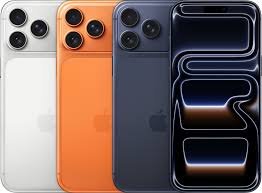
Since its inception, the iPhone has been synonymous with mobile photography. What started as a simple point-and-shoot device has evolved into a sophisticated, multi-lens computing powerhouse capable of capturing stunning images and cinematic video. Over the past decade, the iPhone camera evolution has mirrored, and often led, the entire smartphone industry.
At Mobihub Electronics, we’re taking a nostalgic yet analytical journey through all iPhone series, from the early single-lens models to the groundbreaking iPhone 17 Pro Max with its 8x optical-quality zoom. This comprehensive comparison will highlight the significant leaps in camera quality, features, and overall photography performance that define each major generation, helping you understand how far we’ve come and what makes today’s iPhone cameras so exceptional.
The Early Years: Simplicity and Foundations (iPhone 6s to iPhone X)
This era laid the groundwork for modern iPhone photography, introducing key hardware and software innovations that became standard.
iPhone 6s (2015): The First 12MP Sensor
- Camera Specs: 12MP Main, f/2.2 aperture, 5MP Front
- Key Innovations: This was the first iPhone to jump to a 12MP rear camera, a resolution that would surprisingly stick around for many generations. It introduced 4K video recording (at 30fps) and Live Photos.
- Impact: A significant step up from previous models, offering much better detail and color accuracy. It established the 12MP sensor as a quality benchmark.
iPhone 7 Plus (2016): The Dual Camera Revolution
- Camera Specs: Dual 12MP (Wide f/1.8, Telephoto f/2.8), 7MP Front
- Key Innovations: The iPhone 7 Plus was the first to introduce a dual-camera system, featuring a dedicated telephoto lens. This enabled 2x optical zoom and, more famously, Portrait Mode with its iconic bokeh effect.
- Impact: This was a seismic shift. Portrait Mode became an instant sensation, demonstrating the power of computational photography and forever changing how people thought about mobile phone cameras.
iPhone X (2017): TrueDepth and Dual OIS
- Camera Specs: Dual 12MP (Wide f/1.8, Telephoto f/2.4), 7MP TrueDepth Front
- Key Innovations: Both rear lenses gained Optical Image Stabilization (OIS) for improved low-light performance and video stability. The front-facing TrueDepth camera introduced Portrait Mode for selfies and Face ID.
- Impact: Solidified the dual-camera system as a premium feature and brought depth-sensing to the front, paving the way for advanced AR and secure facial recognition.
The Triple-Lens Era: Ultra-Wide, Night Mode & Computational Dominance (iPhone 11 Pro to iPhone 14 Pro)
This period saw Apple aggressively expand its hardware capabilities with multiple lenses and significantly enhance its computational photography with features like Night Mode and Deep Fusion.
iPhone 11 Pro (2019): Ultra-Wide and Night Mode
- Camera Specs: Triple 12MP (Wide f/1.8, Ultra-Wide f/2.4, Telephoto f/2.0), 12MP Front
- Key Innovations: The addition of an Ultra-Wide lens dramatically expanded photographic possibilities. More critically, Night Mode (powered by the A13 Bionic chip) revolutionized low-light photography, bringing previously impossible detail and brightness to dark scenes.
- Impact: This was a pivotal year. The Ultra-Wide offered new creative perspectives, and Night Mode set a new industry standard, showcasing Apple’s computational prowess.
iPhone 12 Pro Max (2020): Sensor-Shift OIS and LiDAR
- Camera Specs: Triple 12MP (Wide f/1.6, Ultra-Wide f/2.4, Telephoto f/2.2), 12MP Front. Wide camera with Sensor-Shift OIS.
- Key Innovations: Sensor-Shift OIS (initially exclusive to Pro Max) provided even better image stabilization. The LiDAR Scanner enabled faster autofocus in low light and enhanced AR experiences. ProRAW format was introduced for professional photo editing.
- Impact: Fine-tuned existing features and introduced foundational technologies (LiDAR, ProRAW) that would become crucial for future advancements.
iPhone 13 Pro (2021): Cinematic Mode and Macro Photography
- Camera Specs: Triple 12MP (Wide f/1.5, Ultra-Wide f/1.8, Telephoto f/2.8), 12MP Front. All three lenses got OIS.
- Key Innovations: Cinematic Mode (software-based rack focus for video) brought a Hollywood-style effect to amateur filmmakers. The Ultra-Wide lens gained autofocus and the ability to do Macro photography.
- Impact: Elevated video capabilities significantly and added versatile close-up photography, making the Pro models even more creatively robust.
iPhone 14 Pro (2022): The 48MP Main Sensor Arrives
- Camera Specs: 48MP Main (f/1.78, with quad-pixel binning), 12MP Ultra-Wide f/2.2, 12MP Telephoto f/2.8 (3x optical zoom), 12MP Front with autofocus.
- Key Innovations: The long-awaited jump to a 48MP Main sensor on the Pro models. This used pixel binning to output superb 12MP photos with incredible detail and low-light performance, while also allowing for unbinned 48MP ProRAW shots. Photonic Engine further enhanced computational photography in mid-to-low light.
- Impact: A major resolution bump finally brought the iPhone in line with (and often surpassing) Android rivals in terms of raw detail and flexibility, especially with ProRAW.
The Modern Era: Megapixel Power, Periscope Zoom, and AI Integration (iPhone 15 to iPhone 17)
The latest generations are defined by bringing higher megapixel counts to standard models, introducing true periscope-style zoom, and leveraging advanced AI for unprecedented image quality and new features.
iPhone 15 (2023): 48MP for Everyone, Dynamic Island
- Camera Specs: 48MP Main (f/1.6, with quad-pixel binning), 12MP Ultra-Wide f/2.4, 12MP Front with autofocus.
- Key Innovations: The 48MP Main sensor finally came to the standard iPhone, offering a massive leap in detail and introducing a 2x optical-quality zoom by cropping the high-resolution sensor. The Dynamic Island debuted across the entire lineup.
- Impact: Democratized high-resolution photography and brought cutting-edge interaction to all new iPhone users.
iPhone 16 Pro (2024): 5x Optical Zoom and Larger Sensors
- Camera Specs: 48MP Main (larger sensor), 48MP Ultra-Wide (with autofocus), 12MP Telephoto (5x optical zoom with tetraprism design), 12MP Front with autofocus.
- Key Innovations: The Pro models gained a 5x optical zoom (equivalent to 120mm) via a sophisticated tetraprism lens design, significantly enhancing long-range capabilities. The Ultra-Wide also jumped to 48MP, bringing more detail to wide shots.
- Impact: A crucial step for Apple in addressing its zoom gap, establishing the iPhone Pro as a serious contender in long-range photography.
iPhone 17 (2025): 120Hz Display & A19 Power
- Camera Specs: 48MP Main (f/1.6, with quad-pixel binning), 12MP Ultra-Wide f/2.4, 12MP Front with autofocus. (Non-Pro models)
- Key Innovations: While not a camera hardware revolution for the standard model, the iPhone 17 benefits immensely from the A19 chip’s enhanced Photonic Engine and Neural Engine, leading to even faster image processing, superior Smart HDR, and the integration of basic Apple Intelligence photo editing features. The 120Hz display also enhances the photo-reviewing experience.
- Impact: Refined existing camera capabilities with more powerful computational photography, making every photo smarter and faster to process.
iPhone 17 Pro / Pro Max (2025): 8x Optical-Quality Zoom and Pro Fusion
- Camera Specs: Triple 48MP Sensors across Main (f/1.5), Ultra-Wide (f/1.8, autofocus), and Telephoto (f/2.8, 4x native optical zoom with 8x optical-quality zoom). 18MP Center Stage Front Camera.
- Key Innovations: The game-changer: 8x optical-quality zoom on the Telephoto lens (via a 48MP sensor crop). The “Pro Fusion” system ensures consistent color and detail across all three 48MP lenses. 8K video recording and Apple Log 2 for enhanced professional video capture. Deep integration with Apple Intelligence for advanced on-device photo and video editing (e.g., precise object removal, style transfer).
- Impact: Positions the iPhone 17 Pro Max as a true mobile cinema camera and a photography powerhouse capable of extreme detail and zoom, rivaling dedicated cameras. The unified 48MP sensor across all lenses is a huge win for consistency.
The Unseen Revolution: Computational Photography
Beyond the hardware specs, the true iPhone camera evolution has been driven by computational photography and Apple’s powerful A-series chips. Features like:
- Smart HDR: Continuously improving dynamic range, capturing detail in both highlights and shadows.
- Deep Fusion: Introduced with the iPhone 11, merging multiple exposures at a pixel level for incredible texture and detail in medium-light conditions.
- Photonic Engine: Further processing during the capture pipeline to enhance detail, color, and low-light performance.
- ProRes Video: Enabling professional-grade video codecs for enhanced editing flexibility.
- Apple Intelligence: The latest generation leverages powerful on-device AI for semantic editing, intelligent framing, and advanced noise reduction, taking the “computational” aspect to new heights.
These software advancements, inextricably linked to the bespoke A-series silicon, are what truly make iPhone cameras so consistently excellent across all iPhone series.
Which iPhone Camera is Right for Your Budget in 2025?
- Ultimate Professional: iPhone 17 Pro Max. For unparalleled zoom, 8K video, and Pro-grade features.
- Serious Photographer: iPhone 16 Pro or iPhone 17. Excellent 5x zoom, 48MP main sensor, and advanced computational features.
- Excellent Everyday Snapper: iPhone 15. The 48MP main camera is a massive upgrade and provides fantastic results for most users.
- Solid Budget Performer: iPhone 13 or iPhone 14. Still takes great photos and videos for social media and personal memories.
- Basic Reliable Camera: iPhone 11. Still a capable dual-camera system for casual use, especially if budget is extremely tight.
Conclusion: A Legacy of Innovation
The iPhone camera evolution is a testament to Apple’s relentless pursuit of perfection in mobile imaging. From the humble 12MP sensor of the iPhone 6s to the incredible 8x optical-quality zoom of the iPhone 17 Pro Max, each generation has pushed the boundaries of what’s possible with a device that fits in your pocket.
Today, choosing an iPhone camera means choosing a legacy of innovation, computational brilliance, and a commitment to making professional-grade photography accessible to everyone. Whether you’re capturing family moments or shooting your next short film, there’s an iPhone in all iPhone series perfectly suited to your photographic ambitions.
Visit Mobihub Electronics to explore the full range of iPhone models and find the perfect camera to capture your world.
Discover more from Mobihub Electronics Kenya
Subscribe to get the latest posts sent to your email.


